What is the coldest planet?
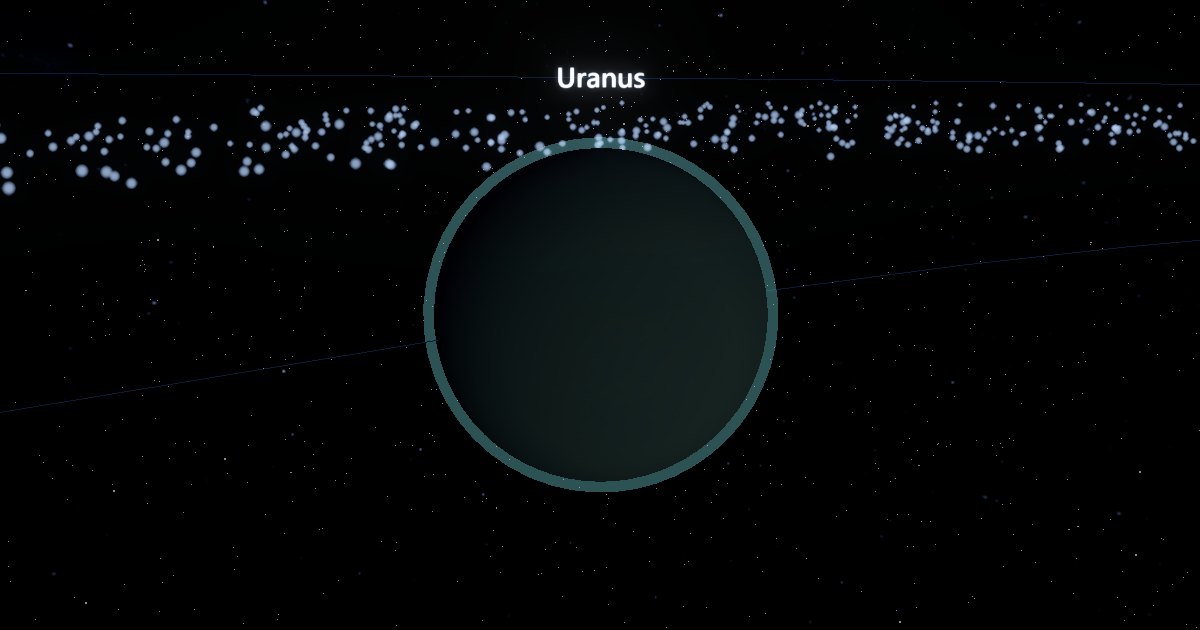
Why the closer ice giant is the colder one
Neptune sits nearly 50% farther from the Sun than Uranus, so you'd expect it to be colder, yet Uranus reaches lower. The leading explanation is that Uranus, unlike every other planet, gives off almost no internal heat of its own: whatever warmth it had seems to have been shut in or lost, possibly linked to the ancient collision that knocked it onto its side. Neptune, by contrast, radiates more than twice the heat it receives from the Sun, keeping it marginally warmer despite the greater distance.
By the numbers
See the tipped-over ice giant for yourself in the interactive view: the coldest, most featureless world we've ever visited, seen up close only once.
Keep going
Every figure on this page is a real, rounded value checked against primary sources. Found something out of date? See how we keep it accurate.